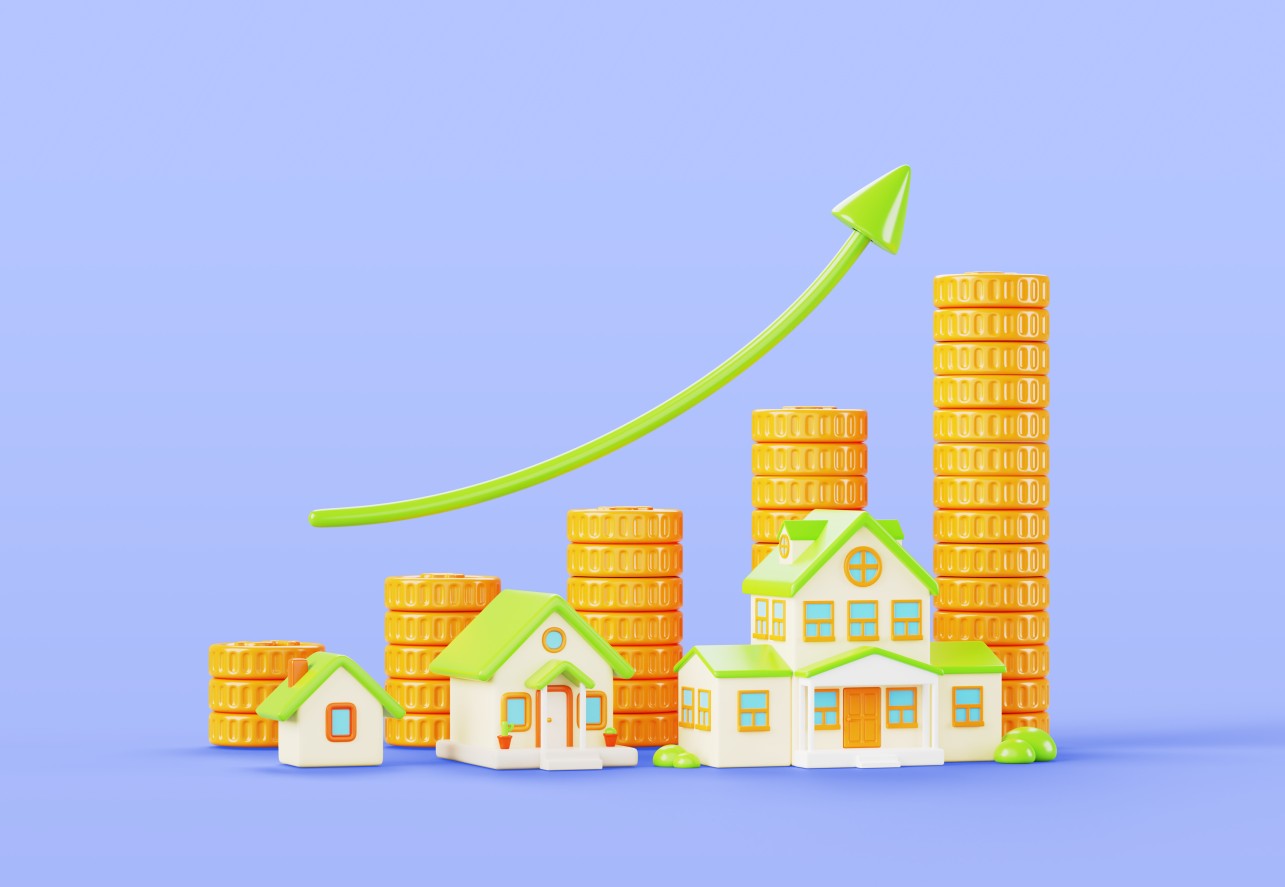
The economy influences nearly every aspect of the real estate market. From mortgage rates and housing demand to home prices and consumer confidence, economic conditions help shape the decisions buyers, sellers, and investors make every day. While economic headlines can sometimes feel overwhelming, understanding the bigger picture can help you make informed real estate decisions. Whether you are planning to buy your first home, sell a property, or grow your investment portfolio, keeping an eye on the economic outlook can provide valuable insight into what may lie ahead. An economic outlook refers to expectations about future economic conditions based on factors such as employment, inflation, consumer spending, interest rates, and business growth. A strong economy often supports a healthy housing market because more people feel financially secure and confident about making major purchases. When economic conditions become uncertain, buyers and sellers may take a more cautious approach. The key is recognizing that real estate markets are influenced by both national trends and local conditions. Real estate and the economy are closely connected. Changes in economic conditions can directly impact housing activity in several ways: Job stability is one of the biggest factors influencing homeownership. When employment opportunities increase and wages grow, more people are able to qualify for mortgages and enter the housing market. Strong job growth often supports: Increased buyer demand Higher consumer confidence Greater housing activity Long-term market stability Communities with diverse and expanding job markets frequently experience stronger real estate performance over time. Inflation affects the cost of goods, services, construction materials, and labor. As building costs rise, the price of new homes may increase as well. While inflation can create affordability challenges, real estate has historically been viewed as a long-term asset that may help protect against rising costs over time. Homeowners often benefit from fixed mortgage payments while rental costs continue to increase in many markets. Interest rates remain one of the most closely watched economic indicators in real estate. Higher mortgage rates can: Increase monthly housing payments Reduce purchasing power Slow buyer activity Lower rates can: Improve affordability Encourage home purchases Increase market demand Although rates play an important role, buyers should focus on their personal financial readiness rather than waiting for perfect market conditions. Another important factor in the economic outlook is housing inventory. When the supply of homes remains limited, prices often stay competitive because demand exceeds available inventory. As more homes enter the market, buyers gain additional choices, and sellers may face increased competition. A balanced market benefits both buyers and sellers by creating a healthier environment for negotiations and transactions. Economic conditions should be part of your decision-making process, but they should not be the only factor. Before purchasing a home, consider: Your current financial stability Long-term career plans Monthly budget and expenses Emergency savings Future housing needs Buying a home is often a long-term decision, and personal circumstances typically have a greater impact than short-term economic fluctuations. Sellers should pay attention to market trends while focusing on factors they can control. Success often comes from: Competitive pricing Strategic marketing Property presentation Understanding local buyer demand Even during changing economic conditions, well-maintained and properly priced homes continue to attract serious buyers. Investors frequently monitor economic indicators when evaluating opportunities. Key factors include: Population growth Employment trends Rental demand Housing supply Local development projects Markets with strong economic fundamentals often provide opportunities for long-term appreciation and steady rental income. No one can predict the economy with complete certainty. Markets naturally experience periods of growth, adjustment, and recovery. However, understanding economic trends can help individuals make more confident and informed decisions. Rather than focusing solely on short-term headlines, it is often more beneficial to evaluate long-term goals, financial readiness, and local market conditions. The economic outlook plays a significant role in shaping real estate opportunities, but it should be viewed as one piece of a larger picture. Employment trends, inflation, interest rates, housing inventory, and consumer confidence all contribute to market activity. For buyers, sellers, and investors, staying informed about economic conditions can provide valuable perspective and help guide smart decisions. While markets may change over time, preparation, research, and a long-term mindset remain some of the most effective tools for achieving real estate success.Understanding the Economic Outlook
The Connection Between the Economy and Real Estate
Employment and Income Growth
Inflation and Housing Costs
Interest Rates and Affordability
Housing Supply and Market Balance
What Buyers Should Consider
What Sellers Should Consider
Opportunities for Real Estate Investors
Looking Ahead
Final Thoughts
Economic Outlook 2026: How Economic Trends Impact the Real Estate Market